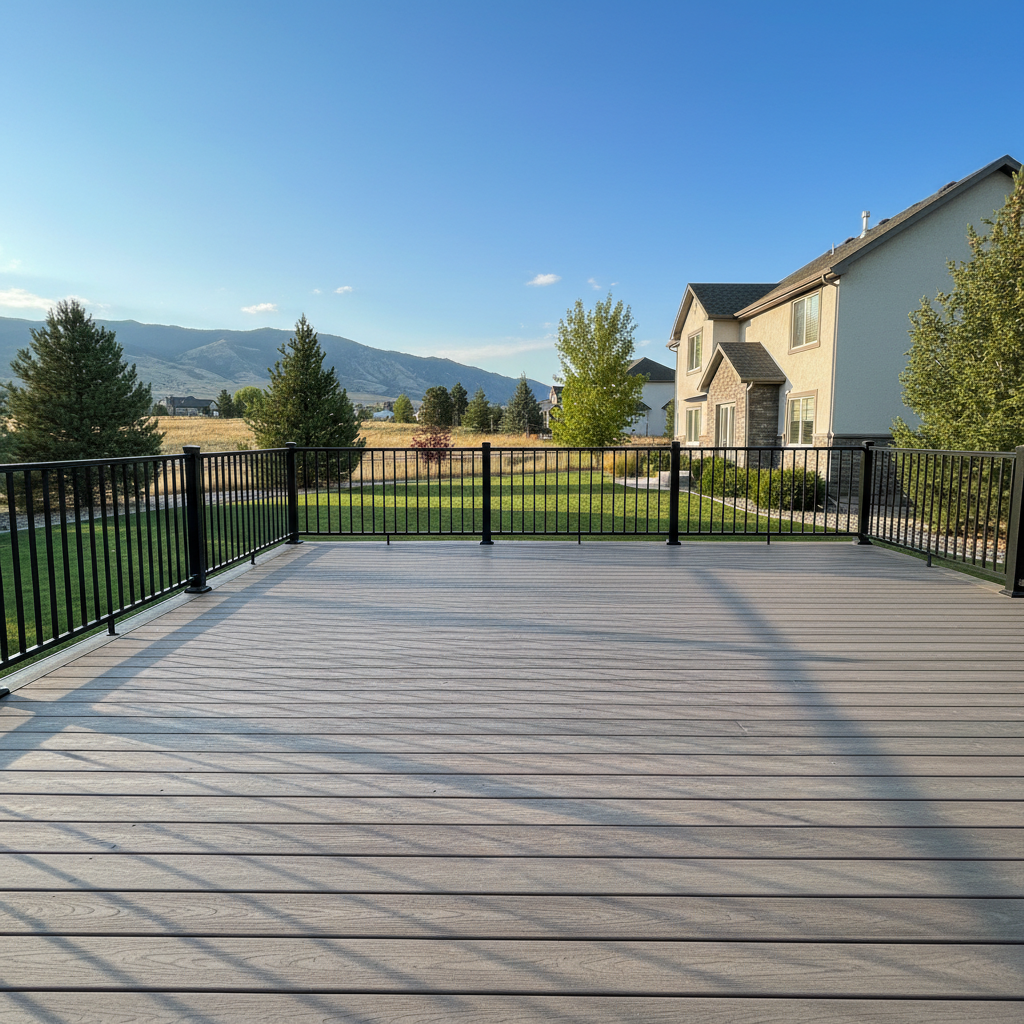
You bought a Trex deck for good reasons, right? Low maintenance, super durable, and it looks fantastic. And honestly, Trex really is a great product, especially with our Kaysville climate. But "low maintenance" doesn't mean "no maintenance." If you want that deck to stick around for ages, looking sharp year after year, you've still got to put in a little elbow grease. I've seen way too many folks just ignore their composite deck, and then they're shocked when it starts looking old before its time.
Keeping Your Trex Deck Looking Good Longer in Utah
Neglect is the biggest enemy of any deck, even composite ones. Our Utah sun, those brutal winters, and even the dust that blows in from the West Desert can all take a real toll. Here's what I tell people to truly get the most out of their investment:
- Keep it Clean: This is probably the most crucial thing you can do. Dirt, pollen, leaves, and even fine dust from the fields around Kaysville can settle on your deck. Leave it there, and it turns into a perfect spot for mold and mildew to grow, especially in shady spots or after a spring rain. A quick sweep or hose down regularly? That makes a huge difference.
- Protect from Scratches and Scuffs: Trex is tough, no doubt, but it's not indestructible. Dragging heavy furniture, using sharp objects, or even shoveling snow with a metal shovel can cause damage. Use furniture pads, always lift things instead of dragging them, and be careful with your tools. If you're grilling, please put a protective mat underneath to catch any grease drips.
- Watch Out for Snow: We get some serious snow here in Kaysville, particularly up on the east bench. When you're shoveling, grab a plastic shovel and always shovel parallel to the deck boards. That way, you won't gouge them. And don't use ice melt products with calcium chloride; they can sometimes leave a white residue or even etch the surface. Stick to sand or products specifically marked safe for composite decking.
- Trim Overhanging Branches: Got trees hanging over your deck? They're constantly dropping leaves, sap, and other gunk. This just means more work for you, and if it's not cleaned up fast, it can lead to staining.
What "Regular Maintenance" Actually Means
So, what does "a little effort" really look like? Honestly, it's not much. Think of it like washing your car – a little bit often works better than one massive cleaning job once a year.
- Weekly/Bi-Weekly: Give the deck a good sweep to get rid of any loose stuff. If you spill anything, wipe it up right away.
- Monthly/Quarterly: Hose down the whole deck. For dirt or grime that's a bit stubborn, a soft-bristle brush and a bucket of warm, soapy water (dish soap works just fine) usually does the trick. Scrub gently, going with the grain of the boards. Rinse it all off thoroughly.
- Annually (Spring Cleaning): After the snow melts and before summer really kicks in, give your deck a deeper clean. You can use a pressure washer, but you've got to be super careful. Keep the pressure below 1500 PSI and use a fan tip. Hold the nozzle at least 8-12 inches away from the surface and always spray with the grain of the boards. Get too close or use too much pressure, and you can damage the composite material, leaving permanent marks. There are also special composite deck cleaners out there that work well for a deeper clean, if you're into that.
Signs of Trouble to Keep an Eye On
Most problems with Trex decks are just cosmetic and pretty easy to fix if you catch them early. But sometimes, there are bigger issues you really should watch out for:
- Persistent Stains: If you've cleaned your deck really well and still have dark spots, especially black or green ones, it might be mold or mildew that's truly dug in. Sometimes these need a stronger, specialized cleaner to get rid of.
- Fading or Discoloration: Trex is made to resist fading, but after many years of extreme sun exposure, you might see some slight changes. If you notice significant, uneven fading, it's probably worth checking if there's a manufacturing defect or if your cleaning methods are just too harsh.
- Warping or Cupping: This is rare with composite, but it's not impossible, especially if the substructure wasn't built right or if there's been a lot of prolonged moisture exposure. If boards are clearly bowing or cupping, that's a big red flag.
- Loose Railings or Boards: Any structural instability is a serious safety concern. If a railing feels wobbly or a board seems loose, don't ignore it.
- Excessive Scratches or Gouges: Deep damage can actually compromise the protective outer layer of the composite, which could lead to faster wear or moisture getting in.
When to Call Progressive Deck Co.
Look, I'm a big fan of DIY when it makes sense. But there are times when you really should call in a professional. If you spot any of those structural warning signs – warping, loose railings, or significant board movement – don't mess around. That's a safety issue, and you need someone who knows what they're doing to check it out. Also, if you've got stubborn staining you just can't get rid of, or if you accidentally damaged a board with a pressure washer or something sharp, we can often help with repairs or replacing sections. Sometimes, it's really just about getting a professional opinion on how healthy your deck is overall. We're happy to come out, take a look, and give you an honest assessment. Our whole goal at Progressive Deck Co. is to build decks that last, and we're here to help you keep yours in top shape for years to come.