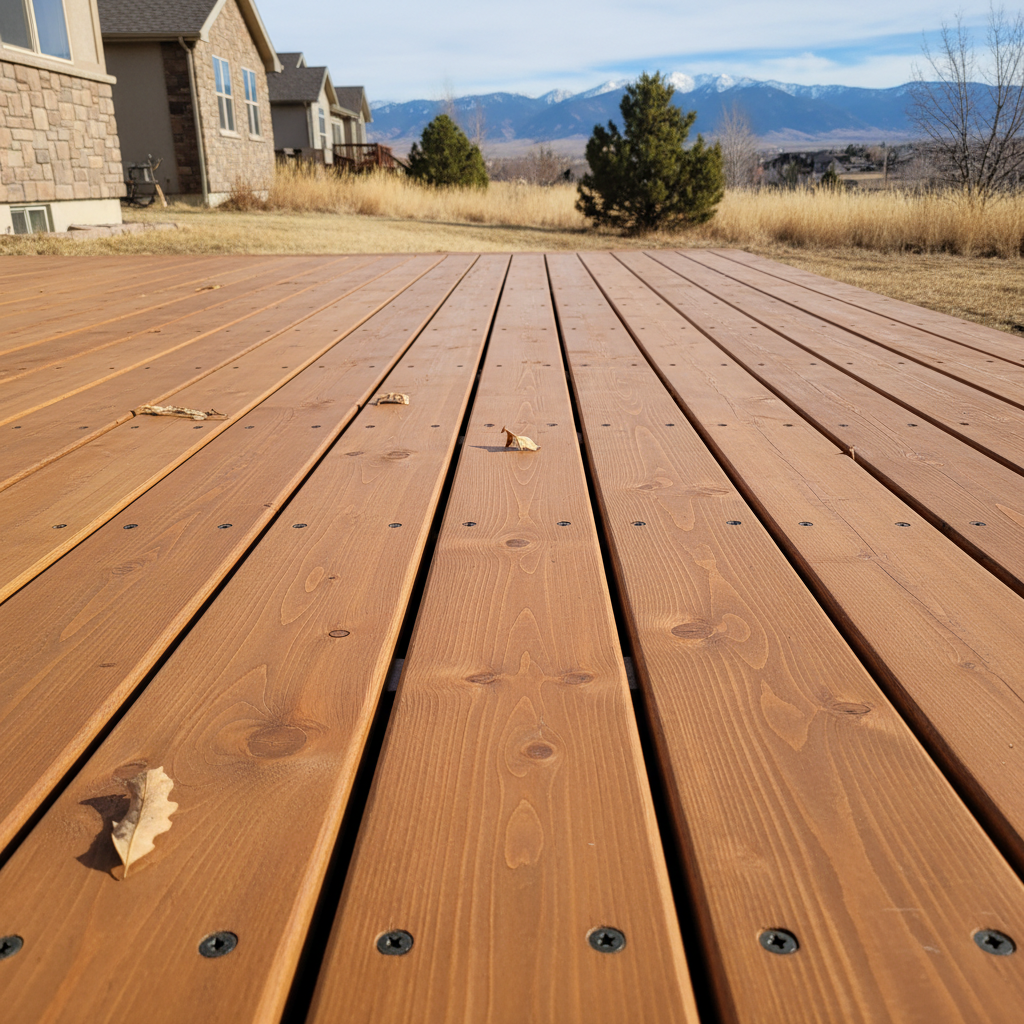
What kind of wood is best for a deck around here?
When you're thinking about a wooden deck for your Kaysville home, the type of wood you pick is a pretty big deal. Most folks immediately think of pressure-treated pine, and honestly, it's a solid, affordable choice. It's easy to find, takes stains beautifully, and if you take care of it, it'll last you a good long time. But hey, it's not the *only* option on the table.
Cedar is another popular one, especially because it's naturally gorgeous and doesn't rot or attract bugs as easily. It's a bit softer than some other woods, so it might dent more easily, but it smells amazing and looks fantastic. Then there are the hardwoods, like Ipe or Tigerwood. These are super dense, incredibly durable, and stunning to look at, but they do cost more and can be a little trickier to work with. They naturally resist pretty much everything, which is a huge plus, but you'll need to oil them regularly to keep their rich color. Here in Kaysville, we get some pretty wild temperature swings – scorching summers and cold, snowy winters – so you really want something that can handle all that expanding and contracting without warping or cracking too much. Pressure-treated pine usually hits a good balance of cost and performance for most families, but if your budget allows, cedar or a hardwood will definitely give you a more premium feel and potentially last longer with less hassle.
How long can I expect a wooden deck to last in Kaysville?
That's a question I get asked all the time, and the honest answer is, it just depends. A well-built, properly maintained pressure-treated pine deck can easily last 15-20 years, sometimes even longer. If you go with cedar, you're looking at a similar lifespan, maybe a bit longer if you're really on top of its care. Hardwoods like Ipe? Those things are practically immortal; 25-40 years isn't out of the question at all. The key phrase there, though, is "properly maintained."
Our climate here in Kaysville, with its hot, dry summers and wet, freezing winters, is really tough on wood. UV rays beat down on it, then snow sits there, then it thaws and refreezes. This constant cycle makes wood expand and contract, which leads to cracking, warping, and splintering if you don't protect it. Regular cleaning, sealing, and staining are absolutely crucial. If you neglect your deck, even the best wood won't last as long as it should. I've seen decks that were only 10 years old look like they were twice that age because they never got any love. On the flip side, I've seen 20-year-old decks that look fantastic because the homeowners stuck to their maintenance schedule.
Do I need a permit to build a new wooden deck or replace an old one?
Absolutely, yes. For any new deck construction or a significant replacement of an existing deck in Kaysville, you'll need a permit from the city. This isn't just about bureaucracy; it's about safety, plain and simple. The city wants to make sure your deck is built to code, meaning it's structurally sound and safe for you and your family to use. This covers things like proper footings, correct joist spacing, railing height, and how it attaches to the house.
Don't even try to skip this step. If you build without a permit, you could face fines, be forced to tear it down, or have trouble selling your house down the road. Plus, if something goes wrong and someone gets hurt, your insurance company might not cover it if the deck wasn't permitted. As a contractor, Progressive Deck Co. always handles the permitting process for our clients. It's just part of doing the job right and making sure everyone's comfortable.
What's the deal with deck footings in Kaysville?
Footings are the foundation of your deck, and they're super important, especially here. We get pretty cold winters, which means we have to deal with the frost line. The frost line is basically how deep the ground freezes in winter. If your footings aren't below that line, the ground can freeze, expand, and push your footings up – a process called "frost heave." This can lift and shift your deck, causing structural damage, uneven surfaces, and safety issues. Nobody wants that!
In Kaysville, the frost line is typically around 30 inches, but we always double-check the exact requirements with the city's building department. We'll dig down to the required depth, usually using concrete piers, to make sure your deck stays put, year after year. Proper drainage around the footings is also key, especially in areas with clay soil like we have in some parts of Kaysville; that stuff can hold a lot of water and make frost heave even worse if it's not managed.
Can I build a wooden deck over a concrete patio?
You can, but it's not always the best idea, and it definitely requires careful planning. The main challenges are drainage and ventilation. If you just lay wood directly on a concrete patio, moisture can get trapped between the two surfaces. This creates a perfect breeding ground for mold, mildew, and rot, which will significantly shorten the life of your wooden deck.
If you're really set on it, you'll need to create a subframe that elevates the deck boards off the concrete, allowing for good airflow and drainage. This usually involves sleepers or a joist system that's properly shimmed to create a slight slope for water runoff. You also need to consider the height – you don't want the new deck to be too high relative to your door, right? It's definitely more complex than building a freestanding deck or one attached to the house, and often, removing the old patio and starting fresh is a better long-term solution.
What about railings for wooden decks?
Railings aren't just for looks; they're a critical safety feature, especially if your deck is more than 30 inches off the ground. Building codes dictate specific heights, usually 36 inches for residential decks, and sometimes 42 inches for commercial or certain elevated applications. The spacing between balusters (those vertical posts) is also regulated – you can't have a gap wider than 4 inches, which is designed to prevent a child's head from getting stuck.
For wooden decks, you've got plenty of options. You can stick with classic wood pickets, which look great and match the deck. Or, you can mix materials, like using wood posts and top rails with metal balusters for a more modern look, or even glass panels for an unobstructed view. Whatever you choose, make sure it's sturdy, properly installed, and meets all local building codes. I've seen too many wobbly railings over the years; don't let yours be one of them.