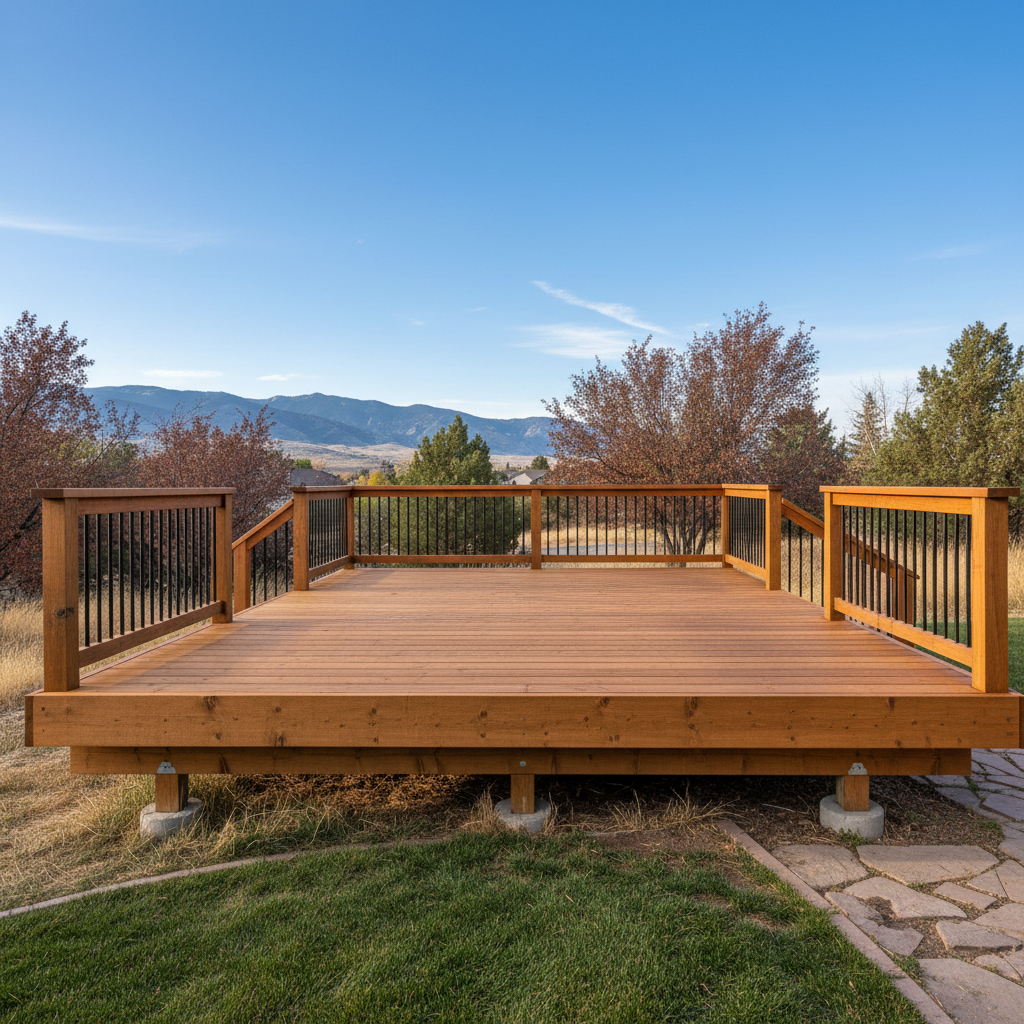
You want your deck to last, right? Of course you do. Nobody builds a deck just to have it fall apart in a few years, especially not here in Kaysville. With our hot, dry summers and then those really snowy winters, your deck takes a beating. So, taking care of it isn't just about how it looks; it's about keeping everyone safe and protecting your investment, plain and simple.
Extending Your Deck's Lifespan
The biggest thing you can do to make your deck last is to protect it from the weather. That means proper sealing or staining. For wood decks, I'm talking about a good quality stain or sealant every couple of years. Not just any old stuff, either. You need something that can really stand up to our intense UV rays in the summer and then those freeze-thaw cycles we get in the winter. Those temperature swings can be brutal on wood, causing it to expand and contract, which leads to cracking and splintering if it's not protected.
If you've got a composite deck, you're in a bit better shape on the sealing front, but they still need care. Don't think 'maintenance-free' means 'no maintenance.' It just means less maintenance. You still need to keep them clean and watch for issues.
Another big one is drainage. Make sure water isn't pooling on or around your deck. If you've got gutters, check that they're directing water away from the deck's foundation. If water sits against the posts or joists, even treated wood will eventually rot. I've seen too many decks in older Kaysville neighborhoods, especially those built into hillsides near the mountains, where water runoff wasn't properly managed, and the substructure just rotted out prematurely. What a shame, right?
Regular Maintenance You Can Do
This isn't rocket science, but it makes a huge difference. Here's what I tell folks:
- Clean it regularly: At least once a year, give your deck a good scrub. A pressure washer on a low setting can work wonders, but be careful not to damage the wood or composite. A good deck cleaner and a stiff brush usually do the trick. Get rid of all that dirt, pollen, and mildew that builds up.
- Sweep it often: Keep leaves, dirt, and debris from accumulating. That stuff holds moisture against the deck surface, which can lead to mildew and rot.
- Check fasteners: Loose nails or screws? Drive 'em back in or replace them. You don't want a wobbly railing or a tripping hazard, do you?
- Inspect for damage: Look for splinters, cracks, or loose boards. Catching these early can prevent bigger problems down the road.
- Trim nearby vegetation: Keep bushes and trees from growing too close to your deck. They can trap moisture and even provide pathways for pests.
Warning Signs of Trouble
Your deck will tell you when it's not happy. You just gotta listen. Here are some red flags:
- Soft spots or spongy areas: If you step on a board and it feels soft or gives more than it should, that's a sign of rot. Don't ignore it.
- Cracked or splintered wood: A little bit is normal, but widespread cracking or large splinters mean the wood is drying out and deteriorating.
- Loose or wobbly railings: This is a major safety hazard. Railings should be solid.
- Visible mold or mildew: Especially if it's black or green and won't scrub off easily, it could be a sign of persistent moisture issues.
- Rusting fasteners or hardware: If the nails or screws are rusting, it means moisture is getting in, and the integrity of the connection might be compromised.
- Posts pulling away from the ledger board: This is a serious structural issue. The ledger board is what connects your deck to your house. If it's pulling away, your deck could collapse.
When to Call a Professional
Look, I'm all for DIY, but some things are best left to the pros. If you see any of those serious warning signs – especially soft spots, wobbly railings that don't tighten up, or anything that looks like the deck is pulling away from your house – don't hesitate. Call someone. It's not worth risking an injury or a total deck failure.
Also, if you're not comfortable with the idea of pressure washing, staining, or making structural repairs, that's perfectly fine. That's what companies like Progressive Deck Co are here for. We can inspect your deck, identify potential problems, and handle the repairs or maintenance to keep it safe and sound. A small repair now can save you from a much bigger, more expensive project later on. It's just smart homeownership, really.